


30 years of operational excellence
Our cost-efficiency and production speeds are made possible by large-scale, modern facilities.
Factory Workers
In-house Raw Material Facilities
Dipping Production Lines
Products
Pairs Daily Production Capacity
Acres of Factory

Large-Scale Production
MAXD is uniquely positioned to reliably meet high-volume demands quickly and efficiently. Our factory is home to the world’s largest glove dipping facility, with dedicated production lines for industrial work gloves and disposable nitrile gloves.
We also have direct access to manufacturing materials with our stand-alone production facility for our synthetic materials. This positions MAXD with robust capabilities in both sourcing and manufacturing, allowing us to scale production on demand.
- World’s largest glove dipping facilities
- Dedicated industrial, medical, and disposable production lines
- Synthetic material production facility

Unrivalled Quality & Cost-Efficiency
Best practices guide every production process at MAXD Gloves. We maintain third-party certification in our systems for quality, environment, and social impact, following both domestic and international standards for worker protection, equipment maintenance, and product quality.
All factory operations are monitored by a central Distributed Control System (DCS), providing oversight at every link in the production chain. This end-to-end insight is what allows us to optimize for efficiency, driving down manufacturing costs for us and our clients.
- Factory-wide DCS
- Quality management system
- Environmental management system
- Social responsibility strategy

R&D Capabilities
Run by qualified, experienced technicians, our lab is equipped with the latest analytical and performance testing equipment.
75+ Dedicated R&D Staff
Our factory employs over 75 full-time R&D engineers and technical specialists focused exclusively on advancing hand protection technology. This elite team continuously develops new materials, yarn architectures, and coating systems, turning your specific requirements into technically superior glove solutions faster and more effectively than any other manufacturer.
200+ Unique Patents
Our factory is protected by more than 200 registered design and invention patents in yarn engineering, coating technologies, knitting structures, and performance processes. This extensive intellectual property portfolio gives us a decisive technical edge, allowing us to develop glove solutions that competitors simply cannot match in cut resistance, grip, durability, and comfort.
20+ Testing Methods
We operate more than 20 proprietary and industry-standard testing methods in our on-site laboratories to validate every critical performance attribute. From abrasion and cut resistance to grip, thermal management, and chemical permeation, these rigorous protocols ensure your customized gloves consistently meet or exceed the highest ANSI/ISEA, EN, and application-specific standards.
Performance Testing
Our facilities are equipped with world-class analytical instruments and simulation technology, capable of testing all areas of product performance.
Mechanical Performance Protection
Instron Universal Test | EN 388-6.4 Tear resistance - Tear resistance is measured using an advanced Instron Universal Testing system, which calculates the force required to tear a rectangular material sample along its length.
Coup Cut Test | EN 388-6.2, GB/T 24541 Blade cut resistance - The test glove is exposed to a counter-rotating circular blade, making alternating cutting motions at prescribed loads to measure blade cut resistance.
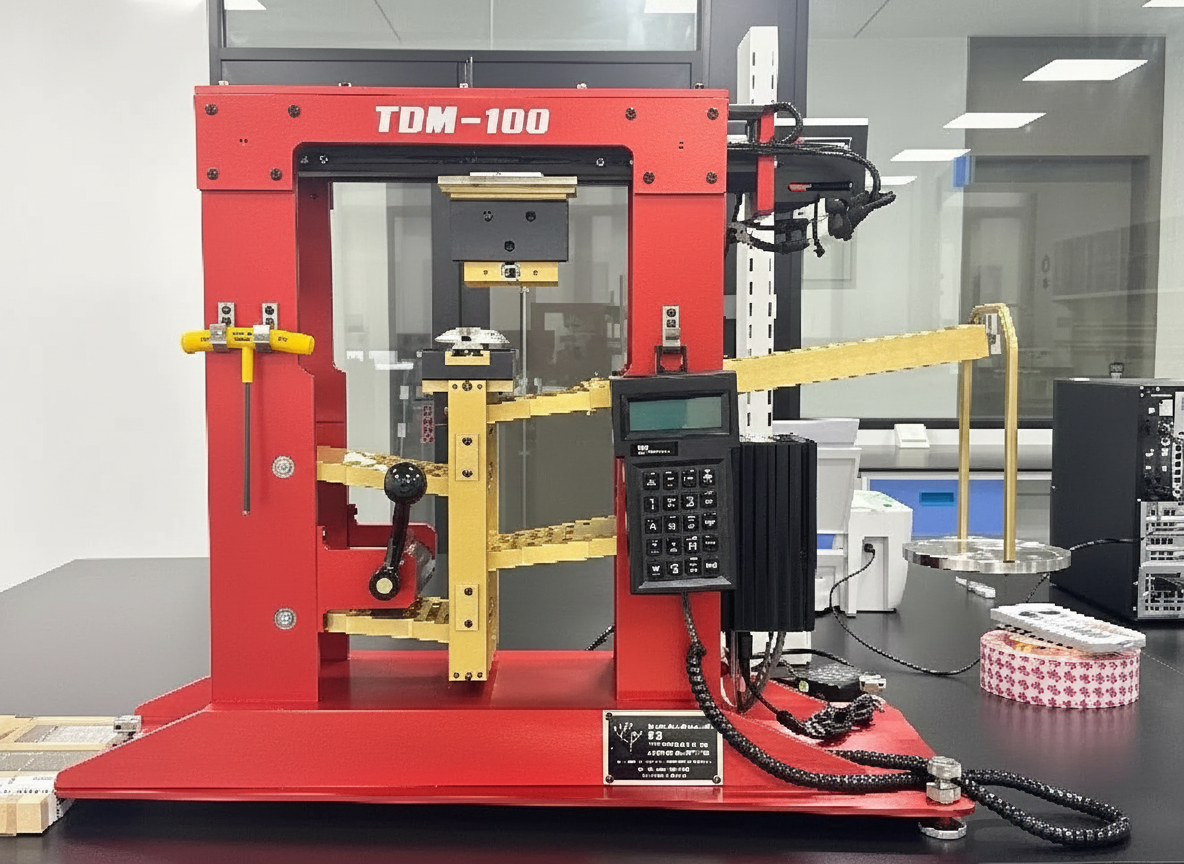
TDM-100 Test | ASTM F2992, ISO 13997 Cut resistance - Machine measurement of the downward force (in Newtons) required for a blade to cut through the Test glove from a fixed distance. The resulting value is then used to grade the cutting resistance of finished gloves.
Martindale Wear & Abrasion Test | EN 388-6.1 GB/T 24541 Abrasion resistance - Test samples undergo a planar cyclic frictional motion under known pressure in a lissajous pattern. Wear is measured by loss of mass, or number of cycles before coating exposes base fabric beneath.
Taber Abrasion Test | ASTM D3389 Abrasion resistance - Using a double-turntable type grinding machine, the test sample is rotated at a fixed speed under the rotary grinding action of two Taber abrasive wheels. Effects of this rub-wear action is measured at specific pressures, calculating abrasion resistance.
STM608 Anti-Impact Test | ANSI ISEA 138, EN 388 (EN 13594) Impact resistance - A weighted drop hammer is dropped onto test gloves from set distances. Force value and displacement sensors measure the peak impact forces withstood to grade anti-impact quality.
Chemical Innocuousness
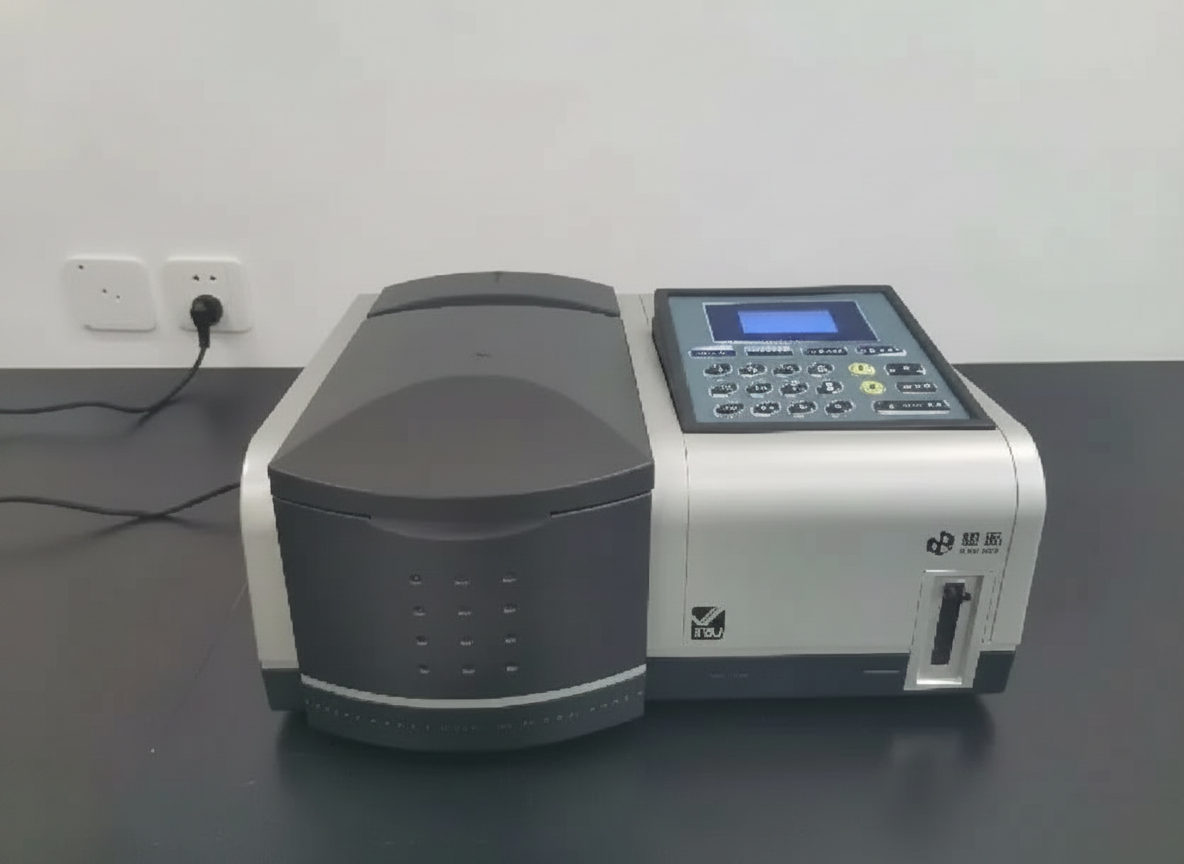
UV Visible Spectrophotometry (UV-Vis) | Testing for Aqueous Extractable Protein, Methanol Method Development - UV-Vis analysis, using Lambert-Beer law, to measure absorbance of substances at different wavelengths.
Gas Chromatography Mass Spectrometry (GC-MS) | Testing for DMFa, PAHs, Phthaltes - Combined molecular mass spectrometry technology for direct qualitative and quantitative analysis of complex organic matter.
Fourier transform infrared spectrometry (FT-IR) | Testing for Silicon presence and qualitative analysis of compounds - FT-IR chemical bond wavenumber analysis to identify type and structure of all unknown compounds present.
Contaminant migration | Testing for contaminant migration in foodstuffs - Determination of the total amount of all non-volatile substances migrated through contact with foodstuffs.
pH levels | Testing for acidity and alkalinity - pH level measurement of hand protection to determine suitability for intended material handling.
Chemical Protection Performance
Organic permeation | BS EN 16523-1:2015+A1 Determination of material resistance to permeation by chemicals - Glove resistance to organic reagent permeation detected through Hydrogen flame ionization gas chromatography.
Inorganic acid/base permeation | BS EN 16523-1:2015+A1 Determination of material resistance to permeation by chemicals - Glove permeability tested through Hydrogen ion electrode method, detecting for concentration of acids or bases in aqueous solution.
Liquid tightness | BS EN ISO 374-2 Determination of resistance to penetration - Test glove is filled with water. Leaks are detected by the appearance of water droplets on the surface of the glove.
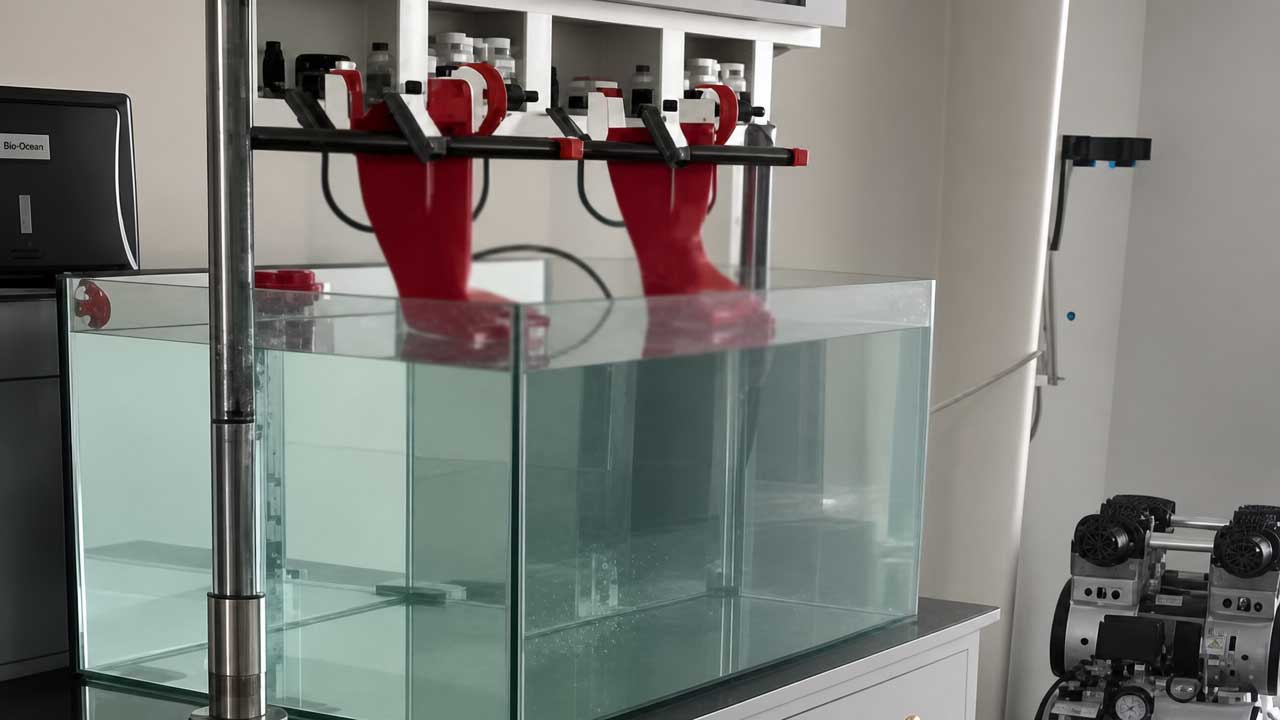
Airtightness | BS EN ISO 374-2 Determination of resistance to penetration - Test glove is immersed in water and its interior pressurised with air. Leaks are detected by the presence of air bubbles escaping the surface of the glove.
Breathability & Comfort
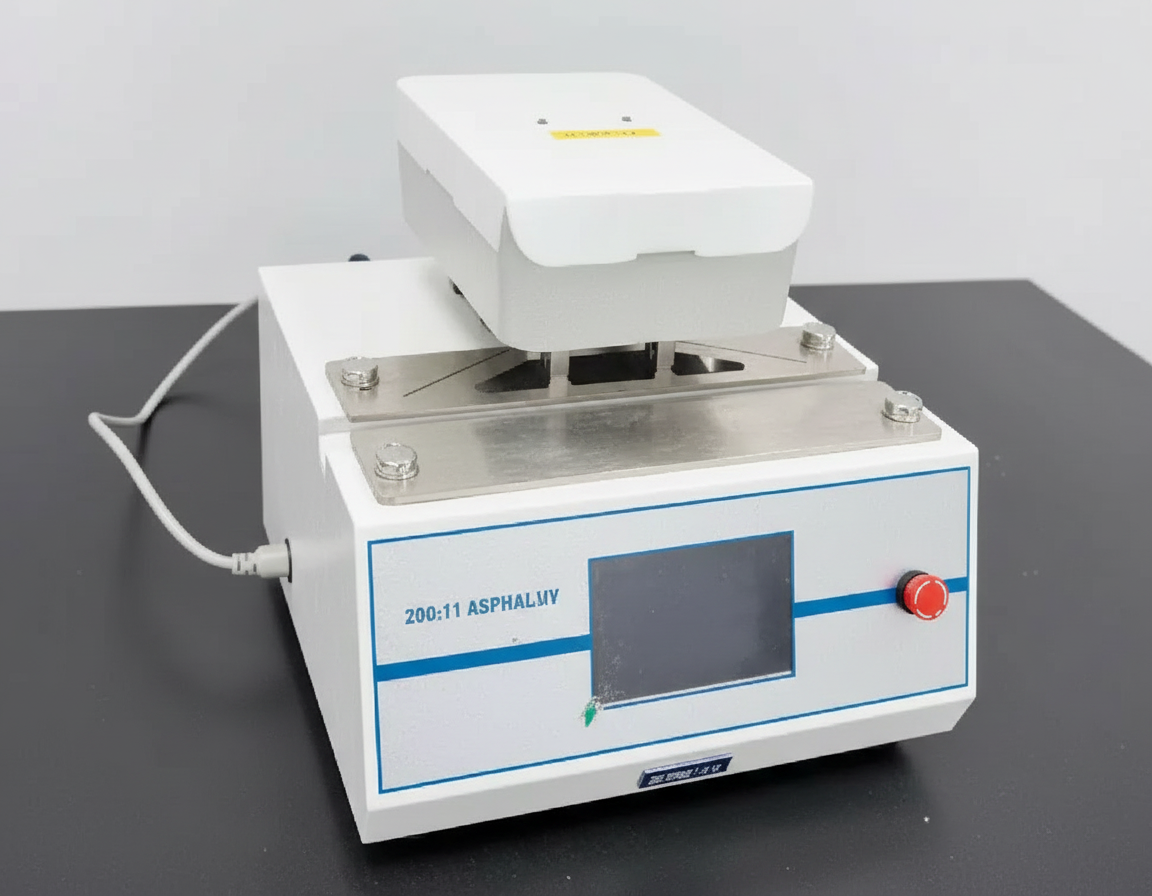
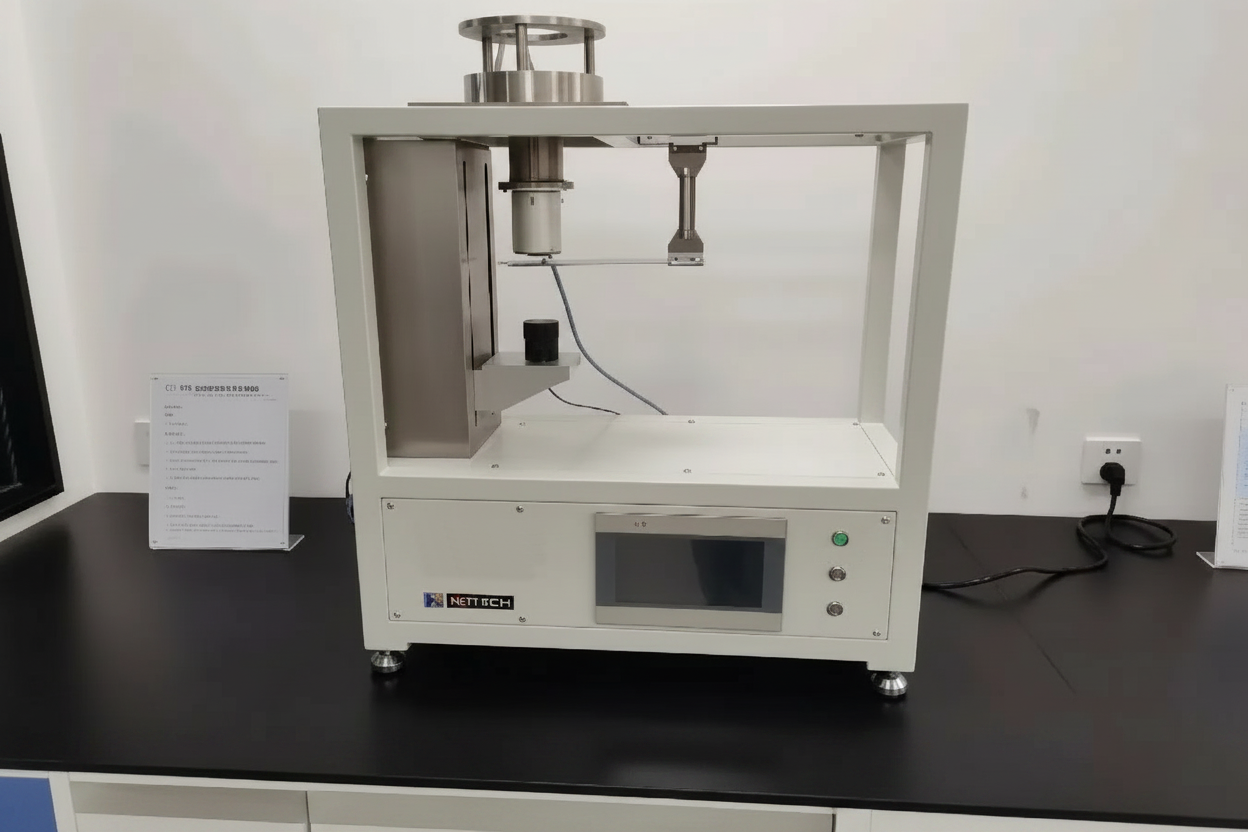
Softness | Test material is pressed into a gap of set depth by a plate probe. Softness is calculated through the measured bending force of the test material.
Stiffness | Resistance to bending, or stiffness, measured by the maximum force required to push a flat, folded swatch of fabric through a small opening.
Breathability | Measuring airflow rate across a fixed, cross-sectional area, calculating material breathability performance via pressure delta.
Heat Protection
Heat contact resistance | Test glove is worn by a tester to grasp an element set to a fixed temperature. Heat resistance is determined by the time elapsed before the tester feels unable to withstand the heat of the element.
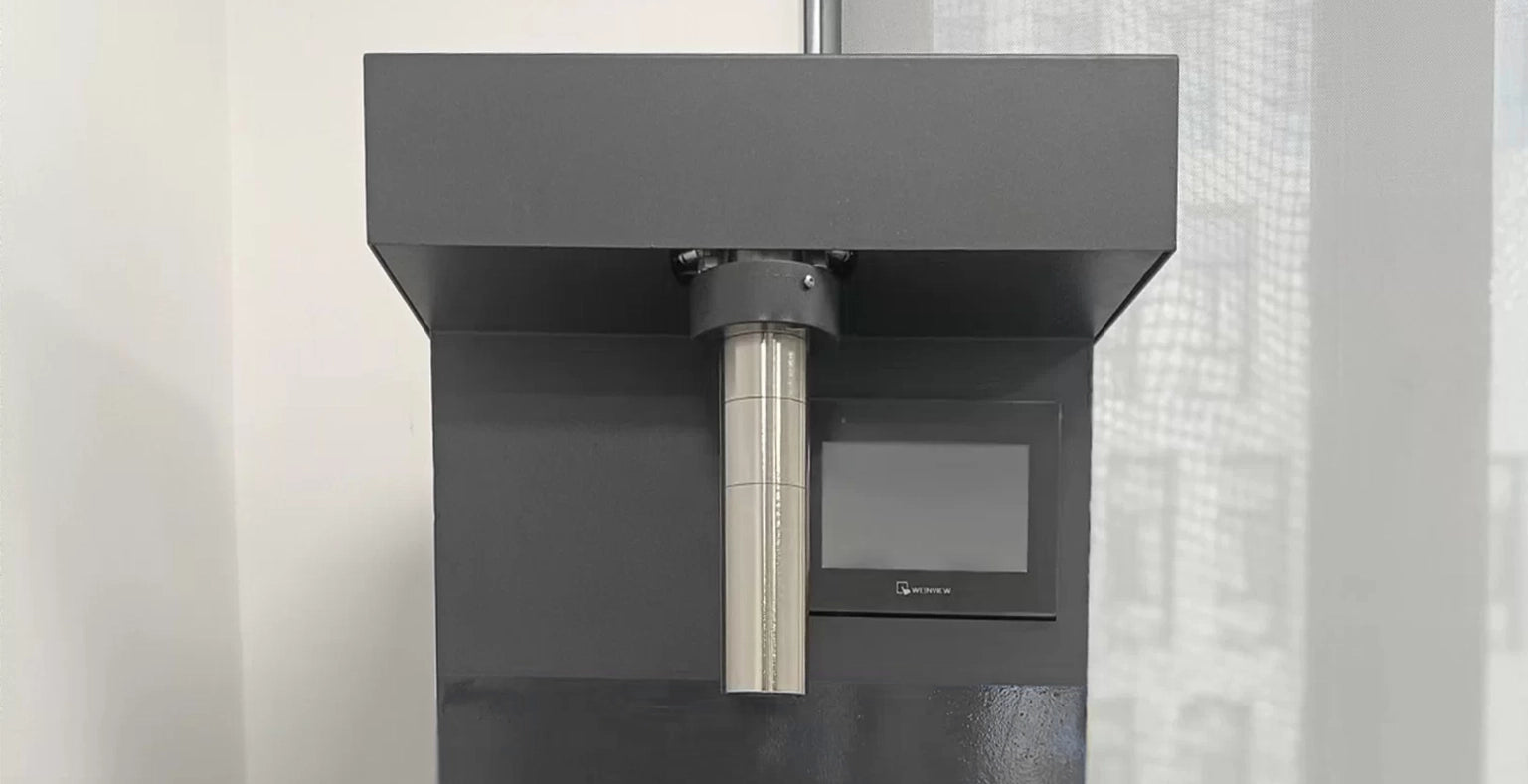
Thermal insulation | Test glove is placed in a calorimeter and gradually brought into contact with a heating cylinder set to a fixed, high temperature. Thermal thresholds are determined by monitoring temperature changes in the calorimeter.
Grip Performance
Full hand grip performance | Full hand and thumb clamping tests, measuring force values and tester comfort when pulling loads to determine overall anti-slip performance.
Sliding friction | Measurement of the tension required to slide the test glove uniformly on a flat plate under the action of a heavy object, determining its sliding friction coefficient.
Oil-based friction | Tensile and grip strength are measured under oily conditions, determining the friction coefficient of the test glove.
Static friction | Material static friction force levels are calculated by measuring the angle and displacement of the test glove when it begins to slide.
Grip performance | Testers attempt to grasp a variety of smooth conical blocks to measure versatile grip performance.
Aging Performance
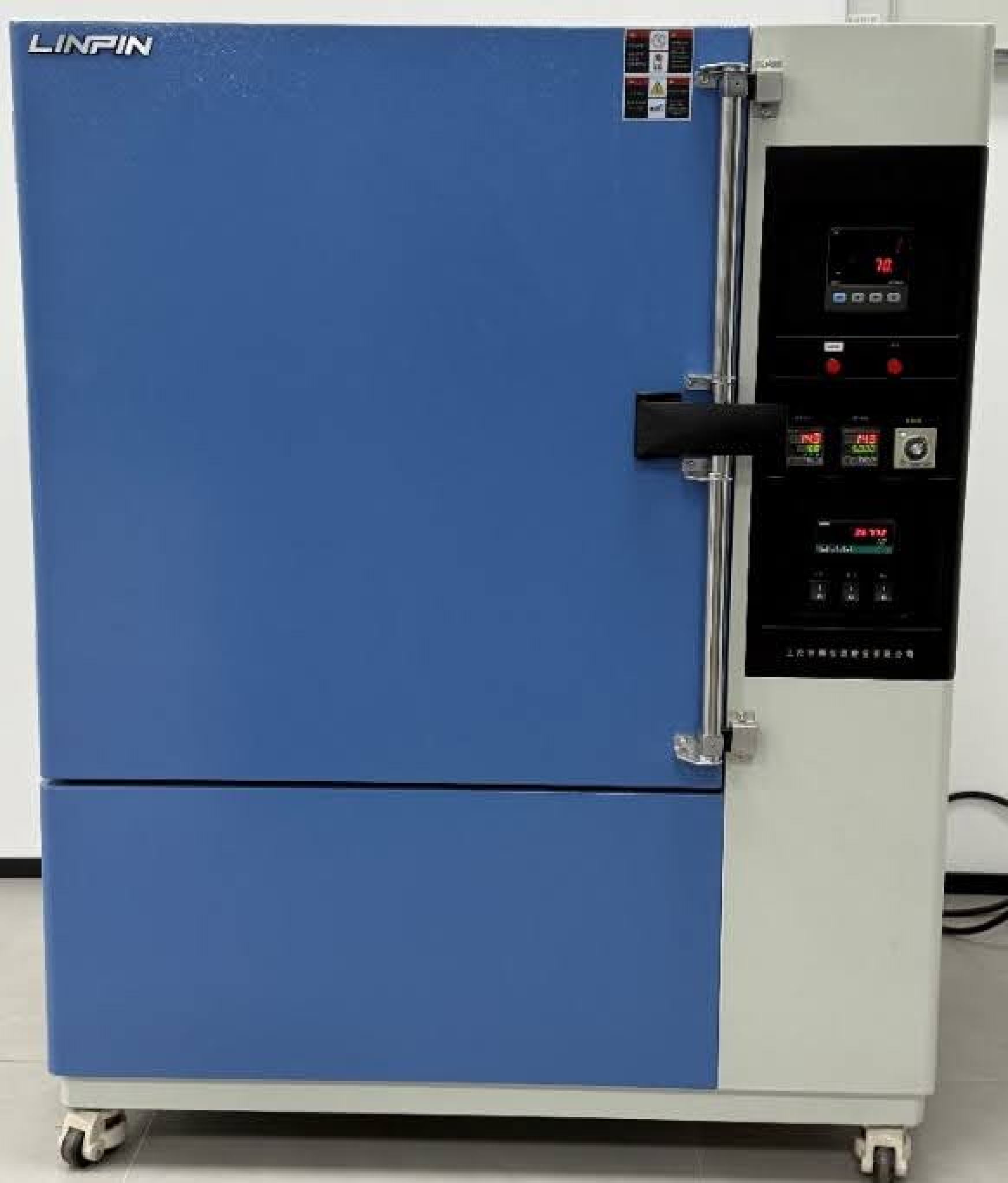
Thermal/oxygen aging chamber | Test gloves undergo heat resistance and gas exchange aging tests to assess performance when stored and used in high temperature environments. Test gloves are also subject to simulated, open air aging under variable atmospheric pressures and temperatures, with performance then measured against an unaged glove.
Latex Performance
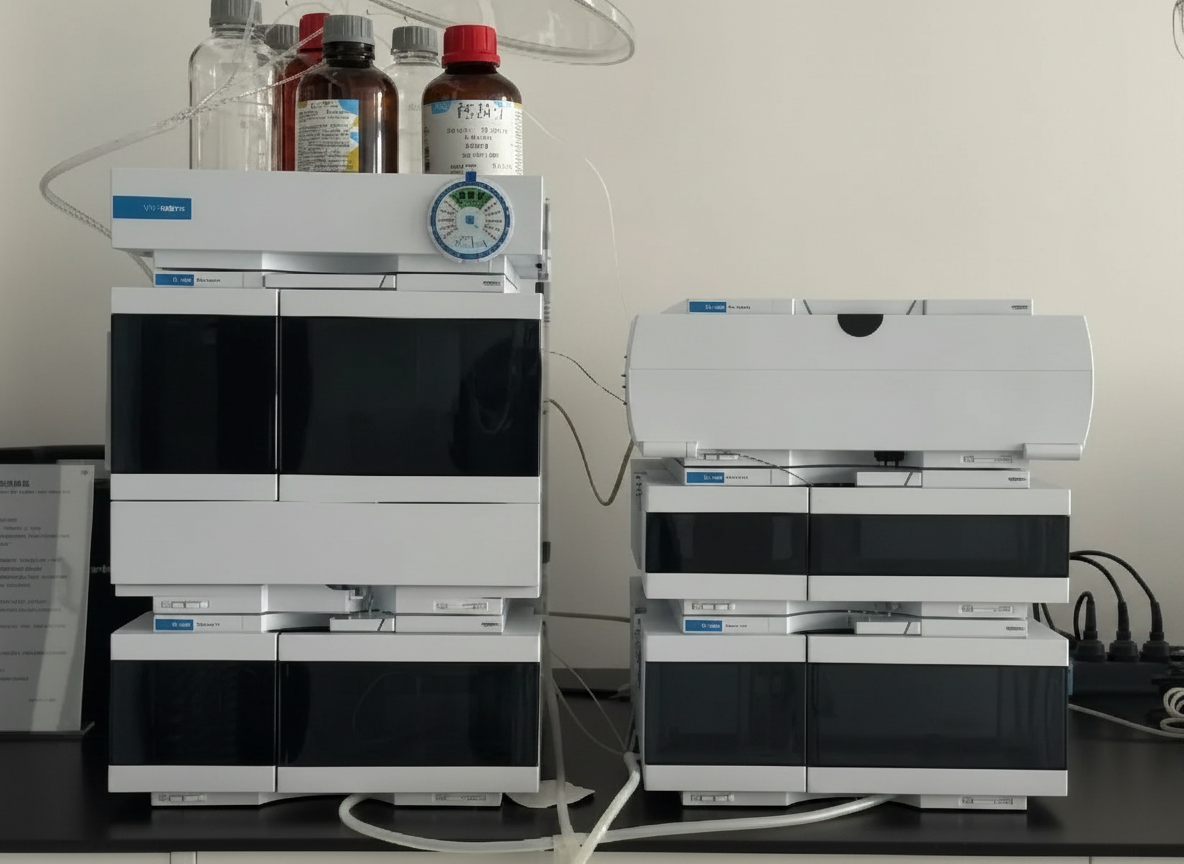
Dynamic Light Scattering (DLS) | Particle size and potential of latex - Accurate, non-invasive nano-particle analysis using DLS, measuring size distribution of molecules and particles within test materials, as well as surface charge variation and colloidal stability (Zeta potential).
Liquid chromatography | Molecular weight testing - Liquid chromatography is used to measure the molecular weight of polymeric materials, such as synthetic latex, to analyse and classify test materials.